Posts

Showing posts with the label Industrial Automation and Machinery.

Construction Material Testing Equipment Is Used During Construction To Conduct Testing Of Soil And Concrete
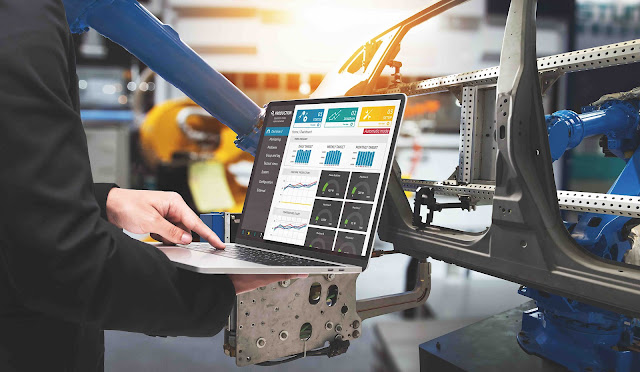
Image
Construction Material Testing Equipment Equipment for testing construction materials is primarily used for quality assurance procedures involving the study of various building materials, including concrete, soil, cement, aggregates, and bitumen, among many others. The construction industry relies heavily on the usage of high-quality materials for building and Construction Material Testing Equipment is important. These tools for evaluating materials can determine a material's permeability, hardness, moisture content, and other mechanical characteristics. Engineers employ building material testing equipment to test and analyse each material or component used during the design phase of construction. Using Construction Material Testing Equipment , vital tests such as soil and concrete testing are carried out throughout construction. In civil engineering, soil is important. The testing equipment for building materials used for soil testing offers information on the mechanics of the soi...
Food Automation Enables Companies To Perform Various Activities In An Efficient Manner

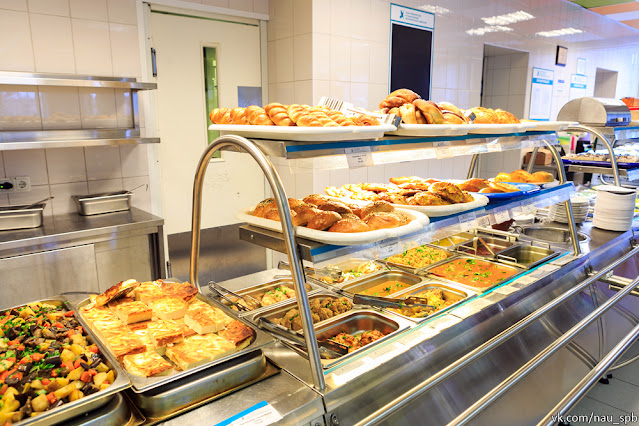
Image
Food Automation  The use of Food Automation can improve profitability and efficiency of food companies. By reducing waste, operational costs, and product quality, companies can avoid fines and losses. Second, automated systems can help retool the entire industry. Third, they can improve the customer experience by reducing the number of product shortages. Automated equipment is more precise than humans. With multiple units producing the same product, each one will be of the same quality. This is a big advantage when it comes to quality control. In addition, Food Automation can also improve safety and efficiency in food manufacturing and packaging operations. In the 1950s, people were largely responsible for most of the manufacturing process. A candy factory, for example, relied on employees to measure ingredients, pour them into a machine, run them through the machine, and check the finished product. The lack of automation left room for errors, and a mistake in the ingredients or c...