Posts

Showing posts with the label Biotechnology

Genomic Biomarker; Detects Whether Someone's Tumor Has An EGFR Gene Alteration
Image
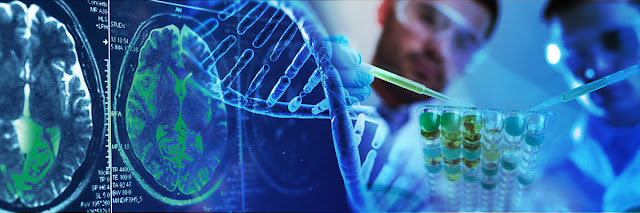
Genomic Biomarker Biomarkers are biological capacities that can be utilized for a vast range of commitments, comprising detecting people who are at threat of developing disorders, identifying disorders in its initial stage while it is most curable, and diagnostic categorization to guide personalized therapeutics. The growth of biomarkers that have clinical utility for allow earlier disorder identification and decreasing mortality from chronic disorders has been slow, vastly owing to the necessity for vast randomized screening experiments. Various kinds of Genomic Biomarker are utilized to choose cancer treatments for single patients. Some cancer trials look for particular genetic modifications linked with a specific kind of tumor, such as melanoma. Others look at several varied modifications, usually known as multigene or panel tests. One instance is Oncotype DX, which evaluates 21 varied gene modifications to detect whether an individual’s cancer will react to chemotherapy. Other...
Plasmid DNA Manufacturing; Used For Expressions In Foreign Genes

Image
Plasmid DNA Manufacturing For several clinical research uses in gene therapy and genetic immunization GMP-grade Plasmid DNA Manufacturing is essential. Particularly in cases of complete gene transfer into human tissues or the usage of viral vectors such as lentiviral or adeno-related virus plasmid DNA is needed, as these are categorized as pharma goods under the appropriate regulations. Owing to progressive Research and Development activities for gene therapy and personalized drugs, the necessity for high-standard plasmid DNA has enhanced dramatically. Contract producers capable to offer GMP-grade plasmids have been incredulous by needs and have been enforced to make widespread backlogs. This is threatening to stall growth in the advancement of new therapies, and is also resulting in the threat that a lack of standard Plasmid DNA Manufacturing could lead to downfall of medical trials and hence delay or even stop the commercial approval of the therapy. To notice this limitation, the P...

Molecular Cytogenetics Helps In Advanced Biotechnological Processes

Image
Molecular Cytogenetics Molecular cytogenetics is a branch of genetics that combines the principles of cytogenetics with molecular biology techniques. It focuses on the study of chromosomes, their structure, organization, and abnormalities at a molecular level. Molecular Cytogenetics has revolutionized the field of genetics by enabling researchers to visualize and analyze chromosomal abnormalities with high precision and accuracy. Molecular cytogenetics aims to study chromosomes and their abnormalities by integrating the methodologies of cytogenetics and molecular biology. It involves the application of various molecular techniques to analyze chromosomes, genes, and DNA sequences at a microscopic level. FISH is a widely used technique in Molecular Cytogenetics that allows for the visualization and mapping of specific DNA sequences on chromosomes. It involves the hybridization of fluorescently labeled DNA probes to target DNA regions, enabling the identification of specific genes, ch...

Spatial Omics Helps In The Analysis Of Tissue Microenvironment, Evaluate Tissue Biomarkers And Study Biology Of Tumor

Image
  Spatial Omics Spatial Omics is a new field that brings together molecular analysis and spatial information to understand the communication between tissues and cells. It is a field of research that is attracting a lot of attention. With advances in probe chemistry, spatial analysis has become a cost-effective and practical solution to the traditional "old school" experimental methods. Spatial Omics technologies are designed to detect the spatial coordinates of a large number of molecular markers. They can provide high-resolution images and a greater amount of data than traditional image formats. These methods enable researchers to perform complex analysis, including those that examine the distribution of protein abundance and cellular phenotypes. The resulting spatial omics data are often barcodes with spatial coordinates, which can be used to provide an additional layer of metadata to downstream analysis. Spatial Omics technologies are available in a wide range of resolu...

Genomics; The Study Of Whole Genomes Of Organisms, And Incorporates Elements From Genetics

Image
Genomics Genomics is a field of biology focusing on the structure, function, evolution, mapping, and editing of genomes. It is a study of whole genomes of organisms, and incorporates elements from genetics or it is the study of human genes and chromosomes. Genomics is the study of the total or part of the genetic or epigenetic sequence information of organisms, and attempts to understand structure and function of these sequences and of downstream biological products. The aim of genomics is to describe and understand the pattern of gene expression. Genome is all of the genetic material in an organism. It is made of DNA (or RNA in some viruses) and includes genes and other elements that control the activity of those genes. Genomics uses the combination of recombinant DNA, DNA sequencing methods, and bioinformatics to sequence, assemble, and analyses the structure and function of genomes. Genome is the entire set of DNA instructions found in a cell. In humans, the genome consists of 23...